What Are Oral Ulcers (Canker Sores)?
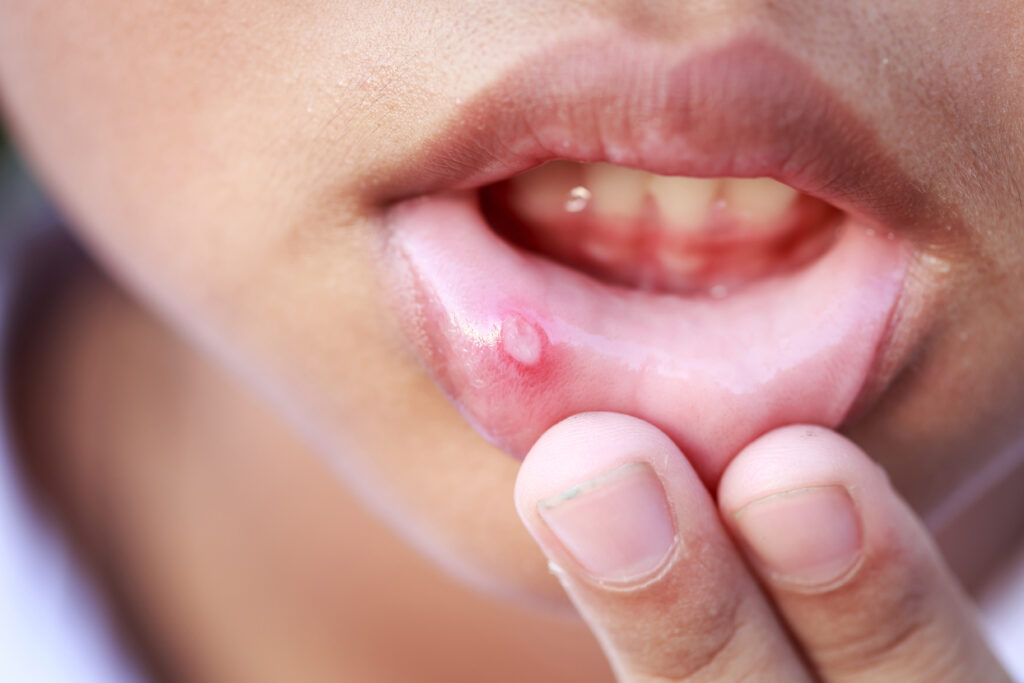
Oral ulcers, also called canker sores, are small, painful sores inside the mouth. They often appear on the inner cheeks, lips, or tongue. Many people ask, “Why do I get mouth ulcers?” These sores are not contagious. However, they can make eating, drinking, or talking uncomfortable. Most oral ulcers heal on their own within one to two weeks. Still, understanding the causes of oral ulcers (canker sores) can help you prevent them.
Common Causes of Oral Ulcers
There are many reasons why someone might get mouth ulcers. Knowing these causes can help you avoid them. Some of the most common causes include:
According to the World Health Organization (WHO), these causes are common in both children and adults.
Risk Factors and Triggers
Some people are more likely to get canker sores than others. For example, genetics can play a role. If your parents often had mouth ulcers, you might get them too. In addition, certain triggers can make ulcers more likely to appear. These include:
Furthermore, people in the US who smoke or use tobacco products may have a higher risk. CDC studies show that quitting tobacco can help reduce mouth problems, including ulcers.
When to See a Dentist
Most canker sores heal without treatment. However, sometimes you should see a dental professional. For instance, you should seek help if:
In these cases, a dentist can check for other health problems. They may suggest special treatments or tests.
Prevention Tips
While you cannot always prevent canker sores, you can lower your risk. Try these oral ulcer prevention tips:
By following these steps, you can help keep your mouth healthy and reduce the chance of getting canker sores.
Consult a dental professional for personalized advice on oral ulcers.