What is a Tooth Fracture?
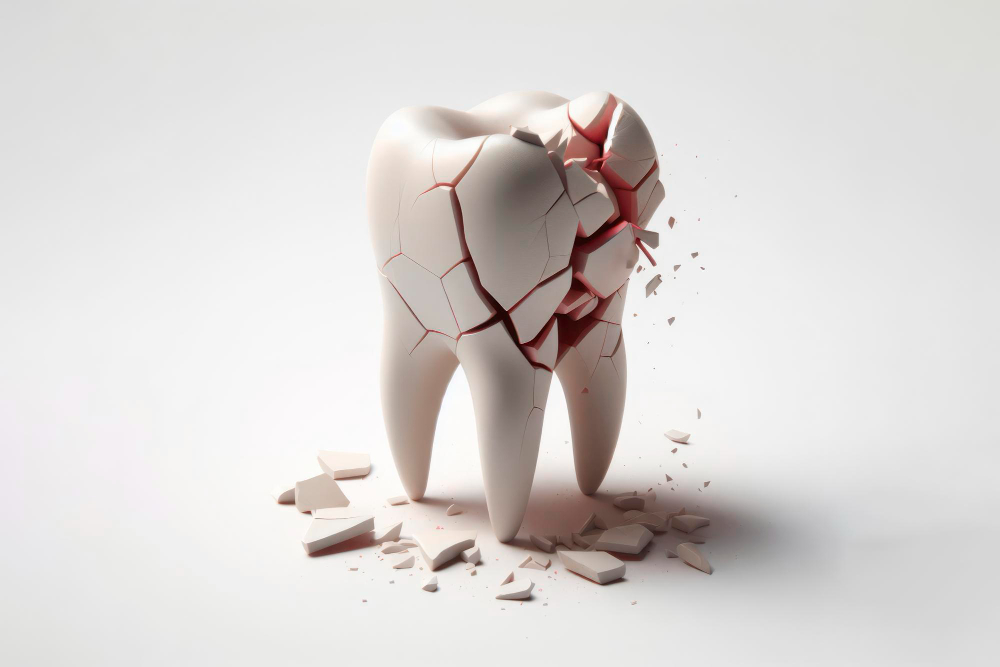
A tooth fracture happens when a tooth cracks, splits, or breaks. This dental trauma can affect the outer enamel, the inner dentin, or even the pulp. Sometimes, the crack is small and hard to see. Other times, it is clear and painful. Tooth fractures can happen to anyone, but quick care is important. Early treatment helps prevent further damage and infection.
Common Causes of Tooth Fractures
Many things can cause a tooth fracture. Often, accidents or habits put extra stress on teeth. For example, biting hard foods or objects can lead to cracks. In addition, injuries during sports or falls may break a tooth. Sometimes, teeth weaken over time due to decay or old fillings. Here are common causes:
Signs and Symptoms
Tooth fracture symptoms can vary. Sometimes, you may not feel pain right away. However, many people notice discomfort when chewing or biting. Cracked tooth symptoms often include:
Sometimes, the pain is mild. Yet, it can get worse if the fracture deepens or infection sets in.
How Tooth Fractures are Diagnosed
Dentists use several methods to diagnose a tooth fracture. First, they will ask about your symptoms and recent dental trauma. Next, they will examine your mouth and teeth closely. Often, a bright light or magnifying lens helps spot small cracks. Dentists may also use dental dye to highlight fractures. X-rays can show deeper cracks or damage to the tooth root. However, not all fractures appear on X-rays. In some cases, a dentist may use a special tool to test for pain when biting. Early diagnosis is key for the best tooth fracture treatment.
Treatment Options for Tooth Fractures
Treatment depends on the type and size of the fracture. For minor chips, dentists may smooth the edge or use dental bonding. If the crack is larger, a filling or dental crown may be needed. Sometimes, a root canal is required if the pulp is affected. In severe cases, the tooth may need to be removed. Here are common treatment options:
For emergency dental care, see a dentist right away if you have severe pain, bleeding, or swelling.
Prevention Tips
While not all tooth fractures can be avoided, many can be prevented. Simple steps help protect your teeth every day. For example, always wear a mouthguard during sports. In addition, avoid chewing hard objects or foods. Here are more tips:
With these habits, you can lower your risk of dental trauma and tooth fracture.
When to See a Dentist
If you suspect a tooth fracture, do not wait. Even small cracks can lead to bigger problems. Seek emergency dental care if you have:
For less urgent cases, find a dentist near you for an exam. Early treatment helps save your tooth and prevent infection.
If you suspect a tooth fracture, consult a dentist promptly for personalized care.