
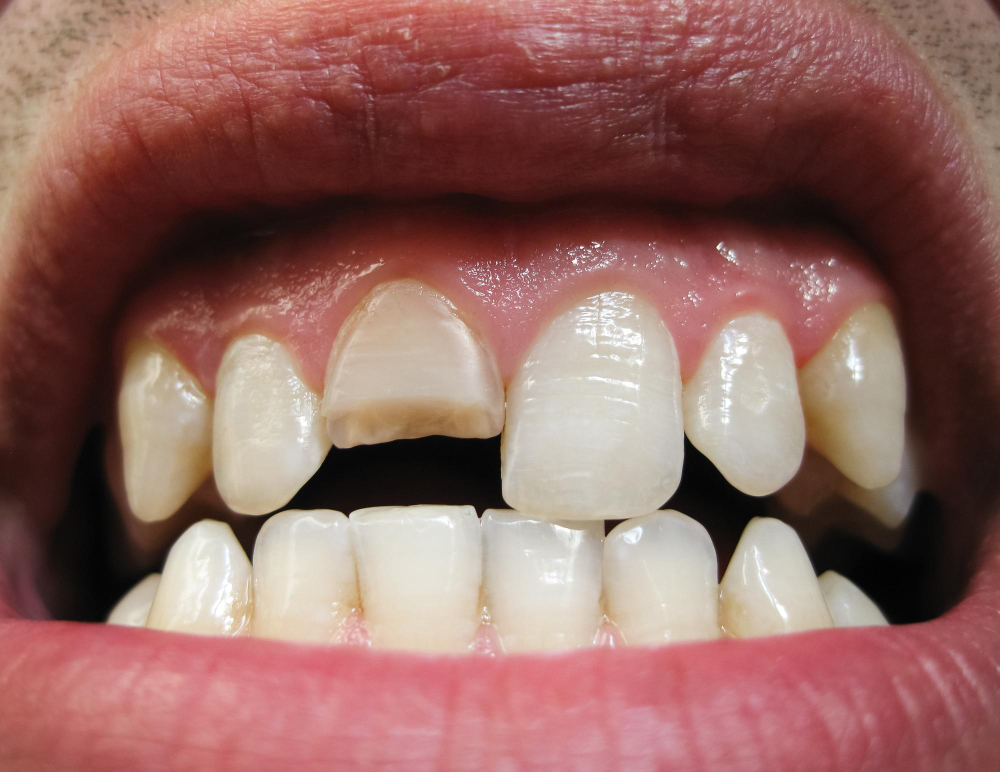
What is Dental Trauma?
Dental trauma means an injury to your teeth, gums, or mouth. Often, it happens after a fall, accident, or sports injury. Because dental trauma can cause tooth fractures, it is important to know what to do right away. Quick action can help save your tooth and prevent more problems.
Types of Tooth Fractures
Tooth fractures come in different forms. Each type needs special care. Here are the main types:
Because each type can affect your tooth differently, a dentist will choose the right treatment for you.
Symptoms of Tooth Fractures After Injury
After dental trauma, you may notice signs of a tooth fracture. Some symptoms appear right away, while others may take time. Common symptoms include:
However, not all fractures cause pain. So, it is important to check your teeth after any injury.
Causes and Risk Factors
Tooth fractures can happen for many reasons. The most common causes include:
Children, athletes, and people with weak teeth are at higher risk. Because accidents can happen anytime, knowing how to respond is key.
How Tooth Fractures are Diagnosed
After dental trauma, a dentist will examine your mouth. First, they will look for visible cracks or chips. Next, they may use X-rays to see hidden fractures. Sometimes, a special dye helps show small cracks. Because early diagnosis helps prevent more damage, visit your dentist soon after an injury.
Treatment Options for Tooth Fractures
Treatment depends on the type and size of the fracture. Common options include:
Because each case is different, your dentist will suggest the best treatment for you. The American Dental Association recommends early care to save your tooth whenever possible.
Home Care and Immediate Steps
If you suspect a tooth fracture after dental trauma, act quickly. Here are steps you can take at home:
However, do not try to fix the tooth yourself. Always see a dentist as soon as possible.
Prevention Tips for Dental Trauma
While accidents can happen, you can lower your risk of dental trauma. Try these tips:
Because prevention is easier than treatment, these steps can help protect your smile.
When to See a Dentist
See a dentist right away if you have:
Even if symptoms seem mild, it is best to get a dental check-up after any injury. Early care can prevent more serious problems later.
In summary, managing tooth fractures after dental trauma is important for your oral health. If you experience dental trauma, consult a dental specialist promptly for personalized care.