What Are Regular Dental Checks?
Regular dental checks are visits to your dentist for a full mouth exam. During these visits, your dentist looks for signs of tooth decay, gum disease, and other oral problems. Usually, these checks include cleaning your teeth and giving advice on how to care for your mouth. For many people, these visits happen every six months. However, your dentist may suggest a different schedule based on your needs.
Why Are Regular Dental Checks Important?
Many people wonder about the importance of regular dental checks. First, these visits help catch problems early. For example, your dentist can spot cavities before they get worse. In addition, regular checks help prevent gum disease. Early treatment is often easier and less costly. Moreover, dental checks can help you avoid pain and tooth loss. Because your mouth is linked to your overall health, keeping it healthy is important for your whole body.
Common Problems Detected Early by Dental Checks
During dental checks, dentists can find many issues before they become serious. Some common problems include:
Because these problems can be painless at first, regular checks are key for early detection.
What to Expect During a Dental Check
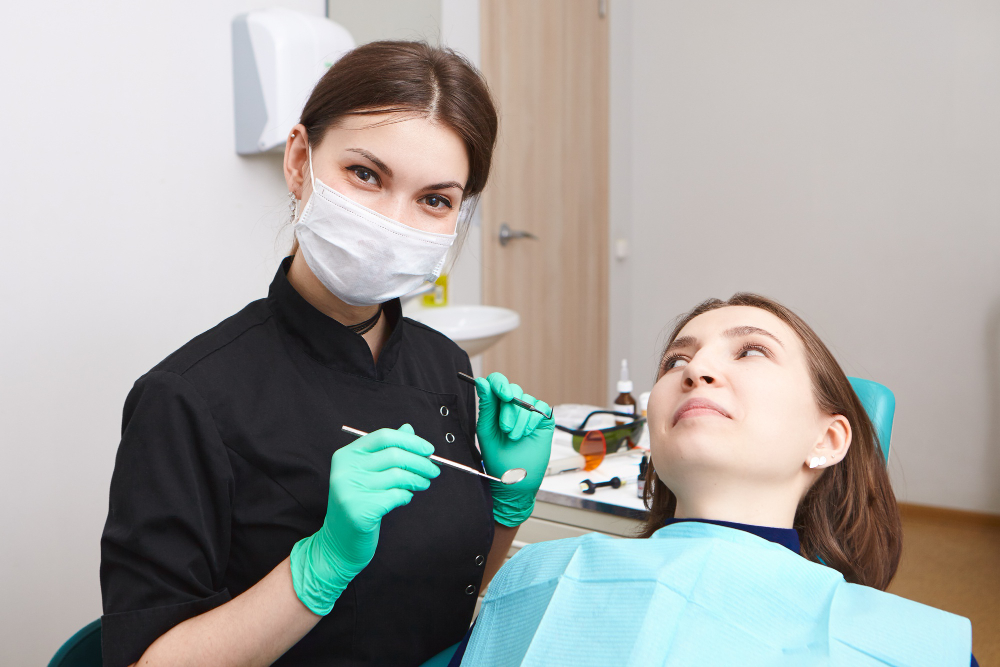
When you visit the dentist, you may feel nervous. However, knowing what to expect can help. First, your dentist will ask about your health and any changes since your last visit. Next, they will examine your teeth, gums, and mouth. Often, your dentist will clean your teeth to remove plaque and tartar. Sometimes, X-rays are taken to check for hidden problems. Before you leave, your dentist will give you tips for better oral care at home.
How Often Should You Visit the Dentist?
Most experts, including the CDC and WHO, suggest visiting the dentist every six months. However, some people may need more frequent visits. For example, if you have gum disease or other health issues, your dentist may recommend coming in more often. On the other hand, people with healthy teeth and gums may need fewer visits. Always ask your dentist about the right oral health check frequency for you.
Tips for Maintaining Oral Health Between Visits
Good habits at home can keep your mouth healthy between dental checks. Try these tips:
Because these steps help prevent problems, they make your dental visits easier.
Prevention and Early Detection: The Benefits
Regular dental checks offer many benefits. First, they help prevent tooth decay and gum disease. Early detection means problems can be treated before they get worse. As a result, you may save money and avoid pain. In addition, your dentist can spot signs of other health issues, such as diabetes or vitamin deficiencies. Overall, preventive dental care supports your health and well-being.
In summary, regular dental checks are a simple way to protect your oral health. Schedule your next dental check to keep your smile healthy. Consult a dentist for personalized advice.